
First-Time Homebuyer: Surviving the Inspection Report
Jaime Sepulveda
12/17/20254 min read
Understanding the Home Inspection Process
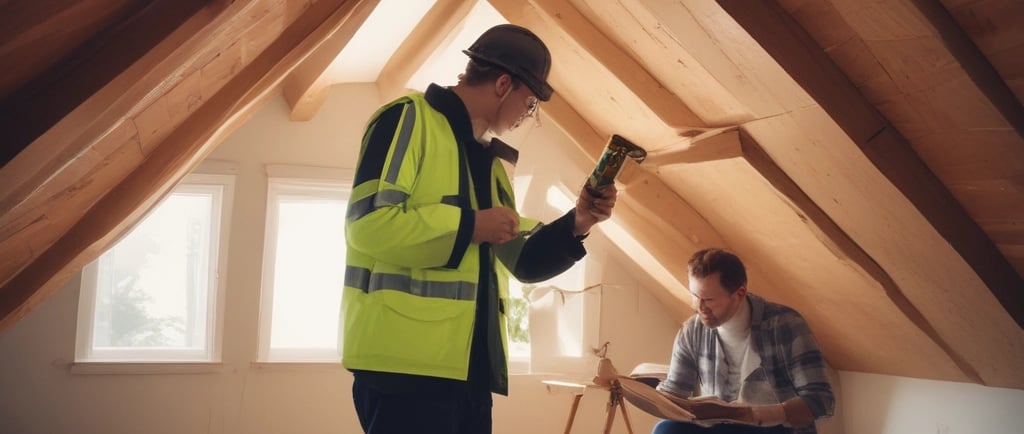
The home inspection process is a critical phase in the home buying journey, particularly for first-time homebuyers. It serves as a detailed examination of the property's condition, allowing potential buyers to identify any existing issues that may require attention. The process is typically initiated once a purchase agreement is secured and before the property is officially passed to the buyer.
A qualified home inspector performs the inspection, bringing expert knowledge to evaluate various components of the home. These professionals assess several critical areas, including the roof, plumbing systems, electrical systems, foundation, and HVAC units. The inspector's role culminates in providing a comprehensive report detailing the current state of the home, highlighting major concerns, safety issues, and maintenance suggestions.
The duration of the home inspection can vary, but it generally lasts around two to four hours, depending on the property's size and condition. During this time, the inspector thoroughly examines all accessible areas, documenting findings and taking photographs to support their assessment. Homebuyers are often encouraged to attend the inspection, allowing them to observe the process firsthand and ask questions about any concerns they may have.
Preparation is key to a successful home inspection. Buyers should ensure that the inspector has access to all areas of the home, including attics, basements, and garages. Additionally, addressing any clutter can facilitate a smoother inspection process. Moreover, misconceptions about home inspections are common; some buyers may believe that all inspections will reveal major issues, when, in fact, many homes may only exhibit minor concerns. Understanding the home inspection process not only aids in setting realistic expectations but also empowers buyers to make informed decisions about their potential investment.
Interpreting the Inspection Report
Receiving an inspection report is a crucial step in the home-buying process, as it provides essential insights into the property's condition. Understanding how to thoroughly interpret this document is vital for first-time homebuyers. Typically, the report will highlight major issues, red flags, and necessary repairs categorized by their urgency and impact.
The first thing to do is familiarize yourself with the layout of the report. Most inspection reports will detail the findings in sections such as structural issues, electrical systems, plumbing, and roofing. Take note of any items labeled as 'urgent' or 'critical,' as these may require immediate attention or significant investment. Understanding these classifications helps in prioritizing what repairs will be necessary before making a decision on your purchase.
Red flags within the report are issues that may pose safety hazards or require costly repairs. These can include signs of water damage, structural concerns, or outdated electrical systems. While minor issues, such as cosmetic damages or small repairs, may seem overwhelming at first glance, it is important to maintain a level perspective. Remember that most properties will have some degree of wear and tear. Focus on distinguishing between what is a deal-breaker and what can be managed over time.
Emotions can run high upon receiving an inspection report, often leading to feelings of disappointment or anxiety. It is essential for buyers to stay grounded and remember that no home is perfect. Engaging a professional to interpret the findings can alleviate some pressure, as they can provide context regarding repair costs and long-term implications. Additionally, keep in mind that minor issues can often be negotiated into the purchase price, providing leverage in your favor.
Negotiating Repair Requests with the Seller
Upon receiving the inspection report, first-time homebuyers often face the daunting task of negotiating repair requests with the seller. This crucial phase can significantly impact the overall transaction, making it essential to approach negotiations strategically. One effective strategy is to prioritize the repairs that truly affect the property’s safety and functionality, such as structural issues, plumbing problems, or significant electrical deficiencies. These types of repairs not only indicate safety concerns but can also influence the home’s long-term value.
When communicating findings from the inspection report, it's important to remain objective and factual. Use the report as a foundation for your requests, clearly highlighting specific concerns rather than emotional reactions to the findings. Tactful presentation of these requests can help maintain a positive rapport with the seller. It is advisable to structure communication in a way that acknowledges the seller’s position while firmly advocating for necessary repairs.
Another pivotal aspect of negotiating repairs is understanding common pitfalls that can derail discussions. For instance, making excessive demands can lead to frustration and a breakdown in communication. Instead, aim to request reasonable concessions that reflect the scope of necessary repairs while remaining respectful of the seller’s situation. It’s also beneficial to provide alternative solutions, such as offering to accept a credit towards repairs rather than requesting direct fixes.
Lastly, engaging in a collaborative discussion can prove advantageous. Voice your willingness to find a middle ground and be open to the seller's counter-offers. This approach not only preserves buyer interests but also promotes goodwill, facilitating a smoother negotiation experience that fosters rapport between both parties. Such strategies will empower first-time homebuyers to navigate the complexities of negotiations effectively.
Planning for Future Home Maintenance
Acquiring a new home is a significant milestone, and for first-time buyers, understanding the importance of ongoing home maintenance is crucial for preserving the investment. After reviewing the inspection report, it becomes evident that certain repairs and improvements will require immediate attention, while others can be scheduled over time. A proactive approach to home maintenance not only ensures the functionality and safety of the house but also protects its value.
First and foremost, homebuyers should prioritize repairs based on their urgency and impact on the home’s integrity. It is advisable to categorize these tasks into three groups: immediate repairs, medium-term tasks, and long-term projects. Immediate repairs might include fixing leaks or addressing electrical issues, while medium-term tasks could consist of painting or landscaping upgrades. Long-term projects might encompass renovations or replacements that can be planned as finances allow.
To effectively manage future upkeep, establishing a budget is essential. First-time buyers should account for regular maintenance costs such as HVAC servicing, plumbing checks, and roof inspections. Setting aside a specific percentage of their income or a fixed amount each month for home maintenance can prevent financial strain when repairs arise. It is also advisable to research the average costs associated with maintaining various aspects of the home to create a realistic financial plan.
Additionally, developing a timeline for maintenance tasks can help create a structured approach to home care. Homebuyers may consider creating a seasonal checklist that outlines tasks to be completed throughout the year, ranging from fall gutter cleaning to spring landscaping. This organization not only simplifies maintenance but also ensures that vital upkeep is not overlooked.
In conclusion, home maintenance is an ongoing commitment that requires planning and budgeting. By leveraging insights from the inspection report, first-time buyers can prioritize necessary repairs, allocate funds efficiently, and establish a timeline for tasks, ultimately supporting the longevity and value of their new home.